hyperforeignism

I drove into Boul­der, Col­orado at mid­night on Wednes­day, my impulse to eat a late din­ner nearly over­bal­anced by my need to declare the long day over.  It turns out that, even with throngs of kids boozily wan­der­ing from bar to bar, this town doesn’t offer much in the way of late din­ing.  There was one place— open at all hours, dec­o­rated like an elven vil­lage spe­cial­iz­ing in the min­ing of nearby foothills veined with Formica, and run by the bandanna-wearing dis­ci­ples of some gen­tle Chris­t­ian sect.  They seemed to be con­nected with a yerba mate dis­tri­b­u­tion enter­prise, and along with deli delights and “arti­san bread”, they prof­fered at least two dozen vari­eties of whole­some drink, hot and cold, soy, almond and dairy, based on the steeped foliage of Ilex paraguar­ien­sis.

And with a woozy slur I bethought myself, is yerba mate spelled with an accent on the e?  Because then I guess I’ve been pro­nounc­ing it wrong.

No: my smart­phone, bat­tery gasp­ing its last 3%, assured me that it’s spelled with­out any accents, and pro­nounced with the accent on the a.  Ah: so the accent seems to have been added— “yerba maté”*— in order to give it an air of for­eign mys­tery.  Or per­haps as a kind of visual appendage to trans­form a worka­day row of let­ters into a brand, sort of the way cer­tain hair metal bands from the 80s deployed the umlaut.

(*If we read the accented text again in its lan­guage of ori­gin, it more or less reads “herb I killed”.)

Any­way, whether it was fully inten­tional, half-intentional or just someone’s mis­take, one way to con­sole one­self about this ortho­graphic quirk is to think of it as a delib­er­ate hack, dis­tanc­ing the word from the Eng­lish “mate”.  In many gringo-mex restau­rants one can see the same act being per­pe­trated on the word “molé”, which in its cor­rect spelling might be con­fused with the Eng­lish word “mole” (and it maybe does look like a sauce stewed from those, Mac­beth style).  Or there’s the bur­rito chain “Andalé”, a case in which surely the vio­la­tion was com­mit­ted in the first degree.  I can almost imag­ine a pink-cheeked, shirt­sleeved brand­ing spe­cial­ist point­ing out that with­out the sig­ni­fy­ing accent, Andale would sound like the name of a sub­urb in Ohio.

Of course many Eng­lish speak­ers don’t know what func­tion these accents play in actual Span­ish.  Maybe I’m on thin ice here, but I’d guess that given how erratic Eng­lish spelling is, there sim­ply isn’t a strong sense among native speak­ers that spelling and sound are causally con­nected; “words are”, to quote a Lan­nis­ter, “wind”.  An accent then becomes just a typo­graphic effect, like the swoosh under a sig­na­ture, or an ectopic serif.

I’ll end this lit­tle SNOOTy rant** with an acknowl­edge­ment that this kind of drive-by lin­guis­tic appro­pri­a­tion and half-thought-through ortho­graphic dis­tor­tion is a fine exam­ple of the fer­til­izer that keeps our lan­guage peren­ni­ally in bloom.  Since Eng­lish has existed at all, it has always been a messy busi­ness, all bar­barisms and neol­o­gisms in vary­ing phases of accep­tance.  From Caxton’s pref­ace to Eney­dos:

And specyally he axyed after eggys.  And the good wyf answerde that she coude speke no fren­she.  And the mar­chaunt was angry for he also coude speke no fren­she but wold haue hadde egges and she vnder­stode hym not.  And thenne at laste a nother sayd that he wolde haue eyren.  Then the good wyf sayd that she vnder­stood hym wel.”

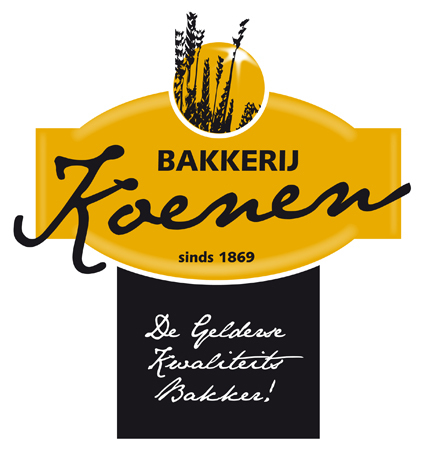
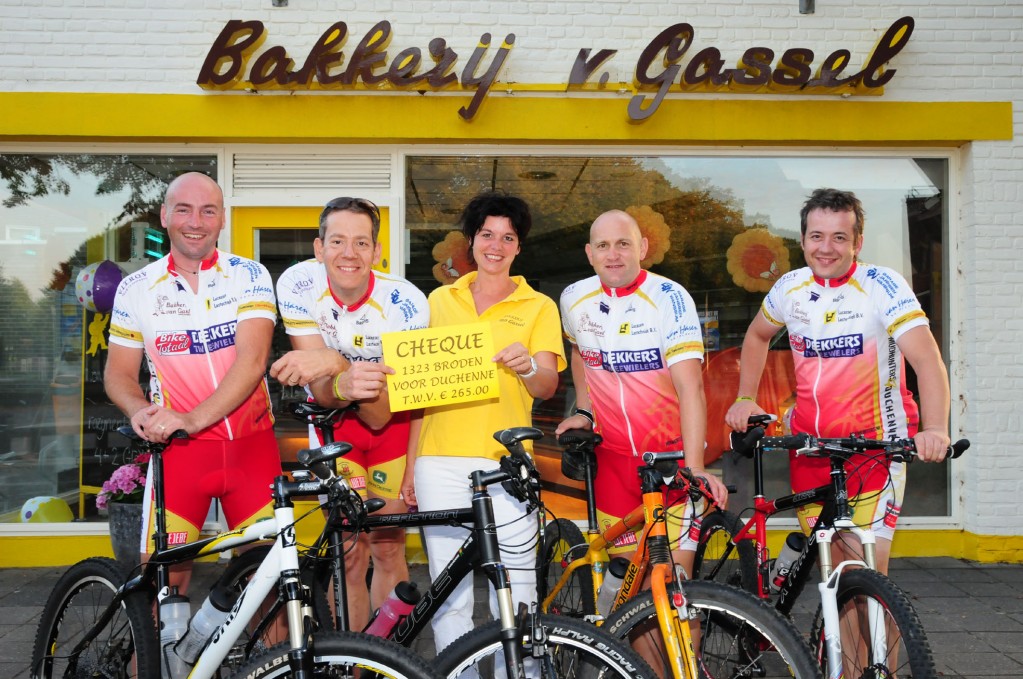
A few years ago, I got excited in front of a shop in Ams­ter­dam, on which was embla­zoned the Dutch word bakkerij.  Notice how it looks in the fol­low­ing examples:

In five min­utes of casual research I can’t find any source to con­firm or deny this, but my the­ory is that the Eng­lish “bak­ery” and sim­i­lar –y end­ings for busi­nesses might have come from the Dutch “ij”, writ­ten in styles pre­dat­ing human­ist typog­ra­phy, and con­dens­ing, in a semi-literate squint, into a sin­gle con­ve­nient let­ter.  Human­ist friends, drop me a line if you know better...

**cf. David Fos­ter Wallace, “Authority and Amer­i­can Usage” in Con­sider the Lob­ster.


This entry was posted in books, thoughts, travel and tagged , , , , , , , . Bookmark the permalink.

27 Responses to hyperforeignism

  1. Translit­er­a­tion varies — look at baigan/bhaigan/began/biigan and the 20 other vari­ants in Indian restau­rants. I’ve always seen mate spelled mateh and assumed stress on the final e and Wikipedia says that’s accented but I wouldn’t call that a reli­able pro­noun­ci­a­tion guide ;-)

  2. Barak Gaster says:

    In favor of half-thought-through ortho­graphic distortions

  3. Barak Gaster says:

    In favor of half-thought-through ortho­graphic distortions

  4. Barak Gaster says:

    In favor of half-thought-through ortho­graphic distortions

  5. Barak Gaster says:

    Kinda like the work of Ger­hard Richter: “Abstract images in pri­mary col­ors scraped over with a squeegee-like object.”

  6. Barak Gaster says:

    Kinda like the work of Ger­hard Richter: “Abstract images in pri­mary col­ors scraped over with a squeegee-like object.”

  7. Barak Gaster says:

    Kinda like the work of Ger­hard Richter: “Abstract images in pri­mary col­ors scraped over with a squeegee-like object.”

  8. Indeed! It is mate, no accent on the ‘e’ and pro­nounced as if it had an accent on the ‘a’, which is not writ­ten because the accent falls in the penul­ti­mate instead of the last syl­la­ble, and the word ends on a vowel. Remem­ber the rule: pal­abras graves que ter­mi­nan en n, s, o vocal, no lle­van acento escrito.

  9. Indeed! It is mate, no accent on the ‘e’ and pro­nounced as if it had an accent on the ‘a’, which is not writ­ten because the accent falls in the penul­ti­mate instead of the last syl­la­ble, and the word ends on a vowel. Remem­ber the rule: pal­abras graves que ter­mi­nan en n, s, o vocal, no lle­van acento escrito.

  10. Indeed! It is mate, no accent on the ‘e’ and pro­nounced as if it had an accent on the ‘a’, which is not writ­ten because the accent falls in the penul­ti­mate instead of the last syl­la­ble, and the word ends on a vowel. Remem­ber the rule: pal­abras graves que ter­mi­nan en n, s, o vocal, no lle­van acento escrito.

  11. [Com­ment imported from blog]

  12. [Com­ment imported from blog]

  13. You should know by now that some peo­ple just can’t do accents.

  14. You should know by now that some peo­ple just can’t do accents.

  15. You should know by now that some peo­ple just can’t do accents.

  16. Fannie says:

    Could the “y” also derive from the “ie” end­ings on French guild estab­lish­ment names (brasserie/patisserie/&c)? I’ve assumed as much, although the “bak-” root is cer­tainly Ger­manic (and “bakery”/“backerei” are so obvi­ously related). The prac­tice of end­ing shop names gen­er­ally in the same way, though, belongs a bit more to the “ie” in French than some­thing sim­i­lar in Ger­man (although the “ei” does reap­pear: “kon­di­torei” &c), though per­haps only because the French are more con­sis­tent with it than the Ger­mans. Per­haps Eng­lish has bor­rowed mainly the incon­sis­tency, with a bit of sus­pi­cion of the French—hence “bak­ery” but “pas­try shop” (instead of sim­ply “pastry”)?

  17. [Com­ment imported from blog]

  18. [Com­ment imported from blog]

  19. Greg Lyon says:

    The OED agrees with Fan­nie on the ori­gin from French –erie, say­ing that it arrives in Mid­dle Eng­lish (see the arti­cle on suf­fix –ery). As for the typo­graphic (or pale­o­graphic) squash the­ory from Dutch –ij, that’s a remark­ably inno­v­a­tive (and visual) con­jec­ture, but I sus­pect the answer lies in ortho­graphic con­for­mity (you’re more likely to see con­for­mi­tie than con­for­mi­tij in early mod­ern Eng­lish print, no? Try this one: http://bit.ly/T8GoZG).

  20. [Com­ment imported from blog]

  21. [Com­ment imported from blog]

  22. blaise says:

    Fan­nie & Greg– I agree with both your points, of course the Fren­she –erie was stan­dard long before Eng­lish orthog­ra­phy set­tled.. though I think this isn’t nec­es­sar­ily incom­pat­i­ble with my crack­pot the­ory. The –erie orthog­ra­phy indeed appears often in Mid­dle Eng­lish, and later in mod­ern Eng­lish it’s a –y; the y was used (includ­ing by Cax­ton) in odd ways, includ­ing for exam­ple to replace the thorn (Mid­dle Eng­lish theta, as in ‘ye’), which sug­gests to me a kind of extra fun­gi­bil­ity about that late­com­ing let­ter, like an unsta­ble use­ful but recently mutated gene. Unlike in Ye, the –y end­ing is com­pat­i­ble with the –erie end­ing pro­nun­ci­a­tion, but also visu­ally sug­gested by the –ij end­ing in tex­tura, which also was in use and pro­nounced the same way, right? Admit­tedly it would be very hard to find a smok­ing gun to either prove or dis­prove this theory..

  23. [Com­ment imported from blog]

  24. [Com­ment imported from blog]

  25. Sander says:

    // off topic; Found your blog because was I was inspired by your talk at http://connectingthefilm.com/ — Inter­est­ing think­ing and I believe you are spot on, the future is now and col­lec­tive behav­ior will act as a infor­ma­tion– plat­form, beyond devices.

    // on topic; Then found your arti­cle with the phrase ‘bakkerij’. Bakkerij comes from the word ‘bakker’, a ‘bakker’ was a per­son who could bake bread and went from door to door sell­ing his baked items. What the ‘bakker’ does is ‘bakken’ (Baking).

    After the 2nd world war the ‘bakker’ used a spe­cific loca­tion to sell his baked items, that is called the ‘bakkerij’. The Dutch added the ‘ij’ not as hyper­for­eignism but as diph­thong. The same as in ‘sli­j­terij’ — liquor store or ‘slagerij’ — butch­ery. Putting ‘ij’ after the pro­fes­sion name, ment it was a col­lec­tion of that pro­fes­sion (at a spe­cific loca­tion). Nowa­days in Dutch the more com­mon name for a Bak­ery is ‘bakker’.

    Btw, “Y” and “IJ” is pro­nounced dif­fer­ently as the native Dutch lan­guage doesn’t have much words end­ing with “Y”. Such as ‘baby’ is more-less pro­nounced as “/baˈbi/” as ‘bakkerij’ is more-less pro­nounced as “bakˈke’rahy”. “IJ” sound a bit like “ahy”.

  26. [Com­ment imported from blog] // off topic; Found your blog because was I was inspired by your talk at http://connectingthefilm.com/ — Inter­est­ing think­ing and I believe you are spot on, the future is now and col­lec­tive behav­ior will act as a infor­ma­tion– plat­form, beyond devices.

    // on topic; Then found your arti­cle with the phrase ‘bakkerij’. Bakkerij comes from the word ‘bakker’, a ‘bakker’ was a per­son who could bake bread and went from door to door sell­ing his baked items. What the ‘bakker’ does is ‘bakken’ (Baking).

    After the 2nd world war the ‘bakker’ used a spe­cific loca­tion to sell his baked items, that is called the ‘bakkerij’. The Dutch added the ‘ij’ not as hyper­for­eignism but as diph­thong. The same as in ‘sli­j­terij’ — liquor store or ‘slagerij’ — butch­ery. Putting ‘ij’ after the pro­fes­sion name, ment it was a col­lec­tion of that pro­fes­sion (at a spe­cific loca­tion). Nowa­days in Dutch the more com­mon name for a Bak­ery is ‘bakker’.

    Btw, “Y” and “IJ” is pro­nounced dif­fer­ently as the native Dutch lan­guage doesn’t have much words end­ing with “Y”. Such as ‘baby’ is more-less pro­nounced as “/baˈbi/” as ‘bakkerij’ is more-less pro­nounced as “bakˈke’rahy”. “IJ” sound a bit like “ahy”.

  27. [Com­ment imported from blog] // off topic; Found your blog because was I was inspired by your talk at http://connectingthefilm.com/ — Inter­est­ing think­ing and I believe you are spot on, the future is now and col­lec­tive behav­ior will act as a infor­ma­tion– plat­form, beyond devices.

    // on topic; Then found your arti­cle with the phrase ‘bakkerij’. Bakkerij comes from the word ‘bakker’, a ‘bakker’ was a per­son who could bake bread and went from door to door sell­ing his baked items. What the ‘bakker’ does is ‘bakken’ (Baking).

    After the 2nd world war the ‘bakker’ used a spe­cific loca­tion to sell his baked items, that is called the ‘bakkerij’. The Dutch added the ‘ij’ not as hyper­for­eignism but as diph­thong. The same as in ‘sli­j­terij’ — liquor store or ‘slagerij’ — butch­ery. Putting ‘ij’ after the pro­fes­sion name, ment it was a col­lec­tion of that pro­fes­sion (at a spe­cific loca­tion). Nowa­days in Dutch the more com­mon name for a Bak­ery is ‘bakker’.

    Btw, “Y” and “IJ” is pro­nounced dif­fer­ently as the native Dutch lan­guage doesn’t have much words end­ing with “Y”. Such as ‘baby’ is more-less pro­nounced as “/baˈbi/” as ‘bakkerij’ is more-less pro­nounced as “bakˈke’rahy”. “IJ” sound a bit like “ahy”.

Leave a Reply

Your email address will not be published. Required fields are marked *

You may use these HTML tags and attributes: <a href="" title=""> <abbr title=""> <acronym title=""> <b> <blockquote cite=""> <cite> <code> <del datetime=""> <em> <i> <q cite=""> <strike> <strong>